Starting a commercial bread operation requires more planning than purchasing individual pieces of machinery. Ingredients move through several production stages before finished loaves can be cooled, packed, dispatched.
Choosing a Bread Machine should therefore be part of a complete production plan.
Begin With the Bread Range
Define the products before finalising machinery.
A commercial bakery might produce:
- Sandwich bread
- Milk bread
- Whole wheat bread
- Multigrain bread
- Pav
- Burger buns
- Specialty loaves
- Toast bread
Each product can have different dough handling, fermentation, shaping, baking requirements.
A clear menu helps determine which equipment is essential immediately plus which can be added as production expands.
Calculate Output Targets
Decide how many units the bakery needs to produce during each shift.
Do not base calculations solely on projected monthly sales. Daily batch planning provides more useful information for machinery selection.
Consider wholesale commitments, retail counter demand, hotel supply, cafe customers, institutional orders.
Businesses serving Nagpur may also need to account for delivery schedules across different parts of the city.
Map the Production Flow
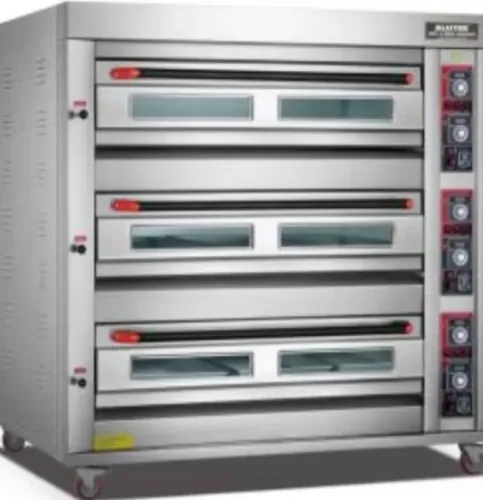
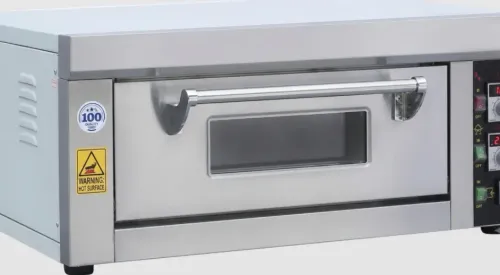
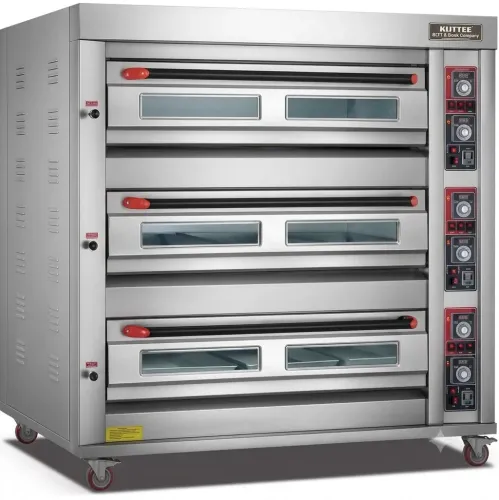
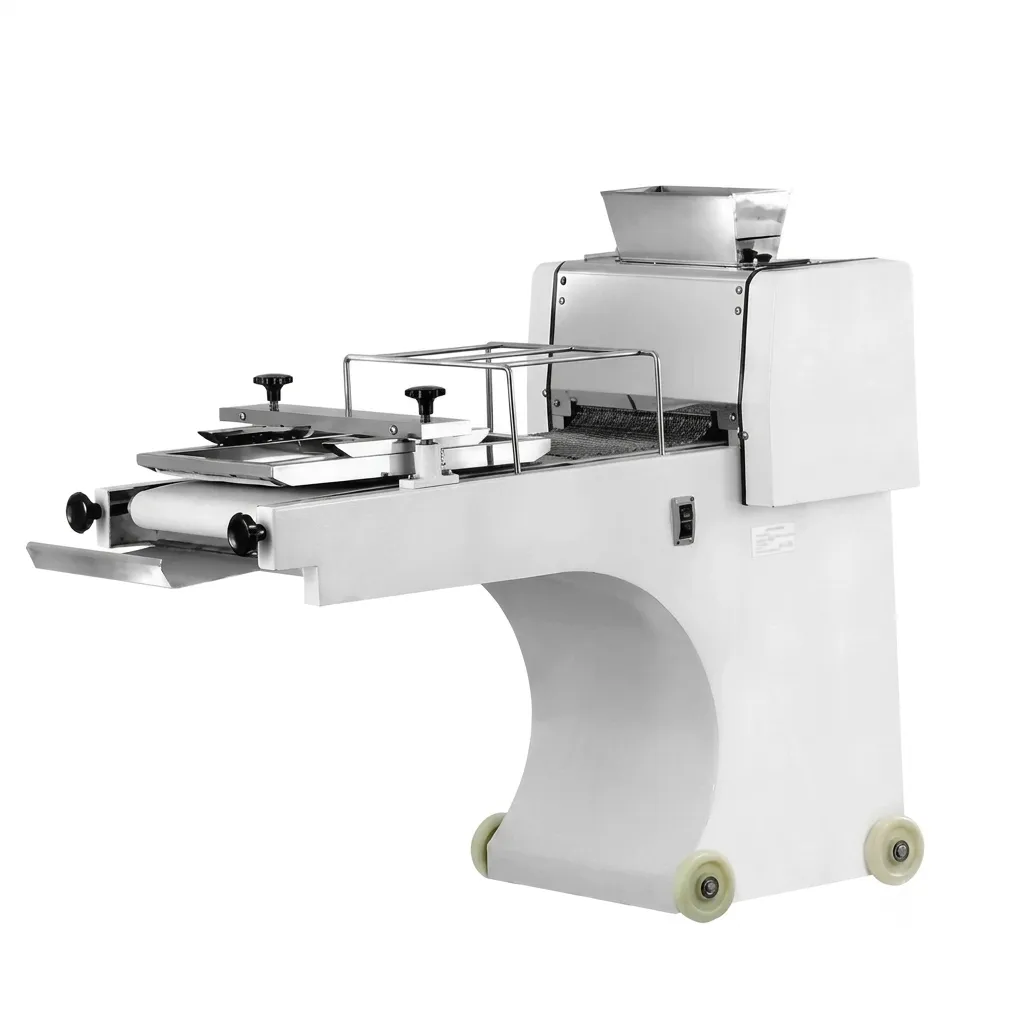
A typical bread production sequence may involve ingredient preparation, mixing, dough processing, fermentation, shaping, proofing, baking, cooling, packing.
Machinery should be positioned to support this movement.
Poor layout can cause unnecessary handling. Staff may repeatedly carry dough across the room, move racks through preparation zones, create congestion around ovens.
Plan the production path on paper before machinery installation.
Identify Bottlenecks Before Buying
Every production line has a stage that limits total output.
For example, purchasing a high-capacity baking system provides limited benefit if mixing capacity cannot supply enough dough.
Likewise, strong mixing plus baking capacity can still be restricted by insufficient proofing space.
Review each stage as part of one system.
Allow Space for Cooling
Cooling is sometimes overlooked during initial bakery planning.
Freshly baked bread requires suitable handling before packaging. Packing products too early can create quality issues.
Include adequate rack space plus movement area in the layout.
This may influence the amount of space ultimately available for machinery.
Consider Staff Requirements
Automation can reduce repetitive work, but equipment still requires trained operators.
Plan who will handle mixing, dough processing, proofing, baking, packing.
Document procedures for each major production stage.
Training staff from the beginning can reduce dependence on informal methods that vary between shifts.
Think About Hygiene
Bread production involves repeated contact with flour plus dough.
Equipment surfaces, preparation areas, racks, utensils require regular cleaning.
When selecting machinery, examine accessibility for routine cleaning.
Cleaning schedules should become part of daily operations rather than an occasional maintenance activity.
Plan Capacity for Growth
A newly launched bakery may begin with limited output, then gain wholesale customers.
Consider how production could expand without completely redesigning the facility.
This does not mean buying the largest possible equipment immediately.
It means choosing machinery plus layout with realistic future expansion in mind.
Work With Clear Specifications
Before approaching a supplier, prepare basic information concerning daily production target, bread varieties, batch sizes, available floor area, utility connections, budget range.
Vaibhav Enterprises, based in Nagpur, supplies bakery machinery for commercial setups. Sharing detailed requirements can help businesses evaluate an appropriate Bread Machine plus related equipment according to their planned production.
For new bakery entrepreneurs, machinery should support the business model rather than determine it. Define what you plan to produce, calculate realistic volume, map the process, then select equipment that supports that workflow.
This approach can make the setup more organised while reducing the likelihood of expensive capacity mismatches after production begins.
Keywords